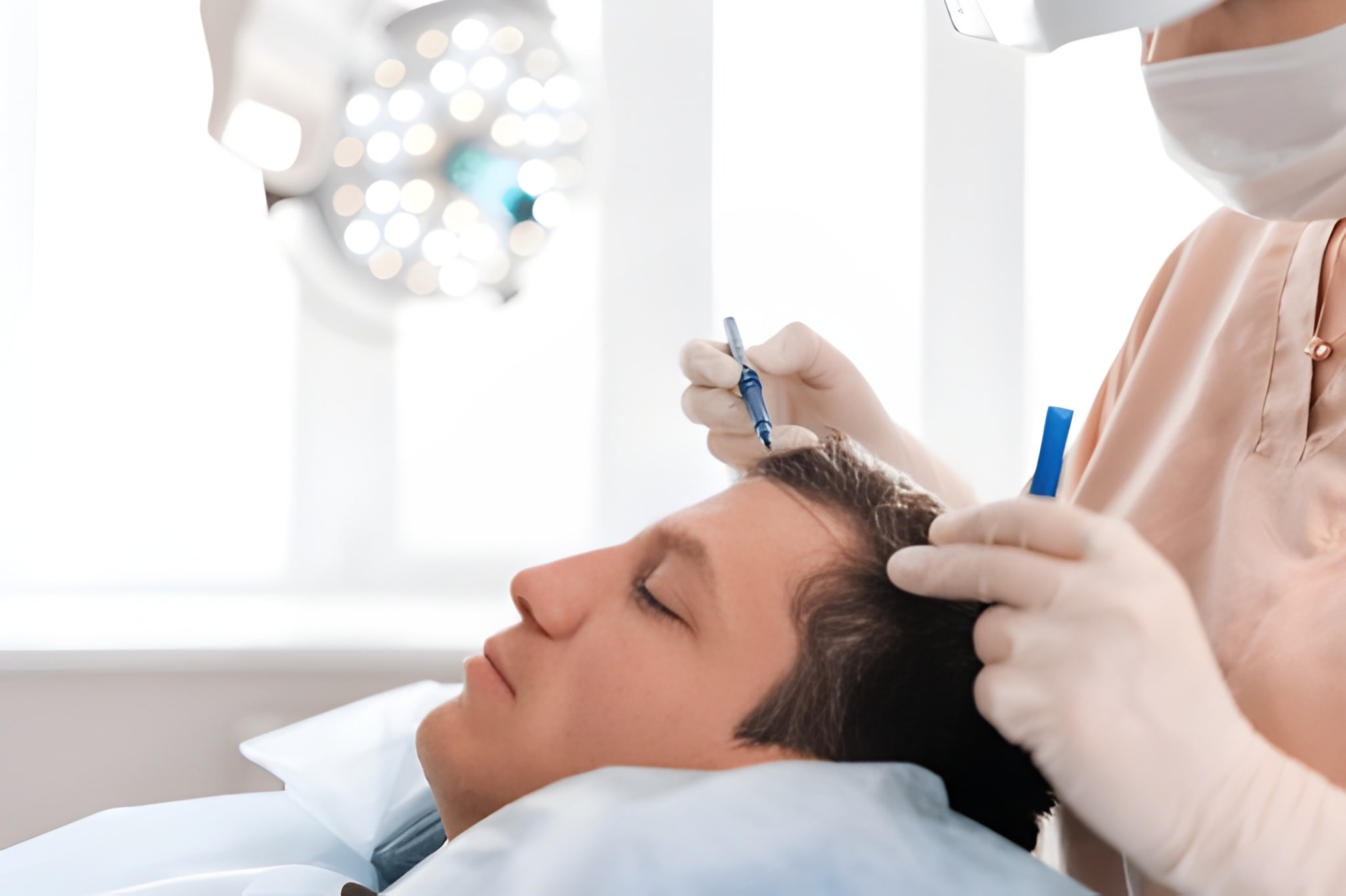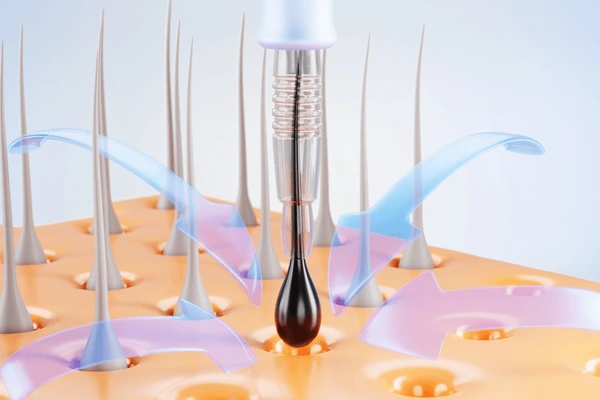
Hair transplants are often life-changing, restoring confidence and appearance. However, some patients may feel concerned if their transplanted hair does not grow as quickly or as fully as anticipated. Whether you had your procedure at a hair transplant London clinic or another hair transplant UK provider, understanding what influences growth and how to respond is crucial.
Understanding Normal Hair Growth Patterns
It’s important to remember that hair growth after a transplant is gradual. Typically, transplanted hair falls out within the first few weeks, a process called shock loss. New growth usually begins around three to four months post-procedure, with full results visible after 9 to 12 months.
Hair transplant London specialists emphasise that patience is key. Across hair transplant UK clinics, early concern about slow growth is common but often unwarranted if the recovery is progressing normally.
Factors That Can Affect Growth
Several factors influence how well transplanted hair grows:
Individual Healing and Genetics
Everyone’s body responds differently. Some patients experience faster growth, while others take longer. Hair transplant London clinics assess donor and recipient site health to predict outcomes.
Hair transplant UK providers note that genetics, scalp condition, and age all play a role in hair follicle success.
Surgical Technique and Expertise
The method used, whether FUE or FUT, and the surgeon’s experience can impact growth. Proper placement and handling of follicles are critical for survival. Hair transplant London experts recommend choosing reputable clinics to maximise results.
Post-Procedure Care
Following aftercare instructions is essential. Excessive rubbing, scratching, or exposure to harsh environments can affect graft survival. Hair transplant UK clinics stress that careful scalp care in the weeks after surgery supports healthy growth.
When to Seek Professional Advice
If growth appears delayed beyond the expected timeframe, consulting your clinic is important. Hair transplant London specialists advise scheduling a follow-up to evaluate the scalp and transplanted follicles.
Hair transplant UK clinics typically perform a thorough check to rule out infection, poor graft placement, or underlying medical issues that may hinder growth.
Possible Interventions and Treatments
In cases where growth is slower than expected, several strategies may help:
Medications and Topical Solutions
Some patients benefit from approved hair growth treatments such as minoxidil. Hair transplant London clinics often provide guidance on safe and effective options.
Hair transplant UK specialists may recommend additional supportive treatments to stimulate follicle activity and improve density.
Platelet-Rich Plasma (PRP) Therapy
PRP therapy can enhance growth by promoting blood flow and healing around transplanted follicles. Hair transplant London clinics sometimes combine this with standard procedures to encourage better results.
Across hair transplant UK providers, PRP is a popular adjunct treatment for patients seeking to boost growth in underperforming areas.
Corrective or Additional Procedures
If growth is insufficient due to poor follicle survival, a follow-up transplant may be considered. Hair transplant London experts emphasise that this is usually a last resort after all other factors are evaluated.
Hair transplant UK clinics often advise waiting until the scalp is fully healed before considering additional procedures.
Managing Expectations
Even with optimal care, growth may vary. Understanding the natural timeline and being patient is vital. Hair transplant London specialists encourage realistic expectations and reassure patients that slow early growth does not necessarily indicate failure.
Hair transplant UK clinics emphasise that visible improvements continue over several months, and final results may surprise even cautious patients.
Maintaining Overall Scalp Health
Healthy hair growth starts with a healthy scalp. Patients are encouraged to maintain proper hygiene, avoid smoking, manage stress, and follow a balanced diet rich in vitamins and proteins.
Hair transplant London and UK clinics both highlight the importance of holistic care to support transplanted follicles and overall hair health.
Final Thoughts
If your hair transplant isn’t growing as expected, staying calm and consulting your clinic are key steps. By understanding normal growth patterns, following aftercare instructions, and exploring supportive treatments, most patients eventually achieve satisfying results. Whether at a hair transplant London clinic or another hair transplant UK provider, professional guidance and patience are essential for the best outcome.