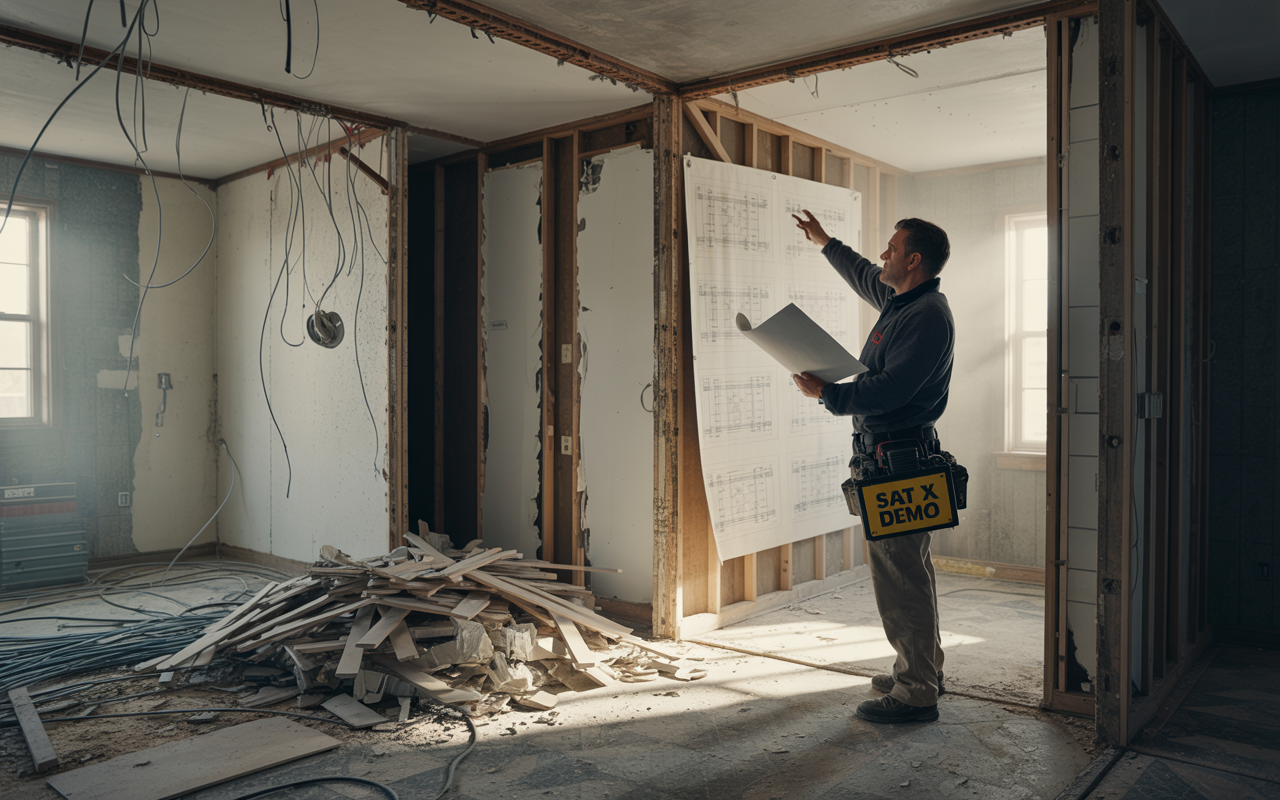
Searching for interior demolition near me in San Antonio usually means you’re planning a renovation that requires removing walls, flooring, fixtures, or entire interior spaces before rebuilding them into something better suited to how you actually live or work. Unlike full structure demolition that clears properties completely, interior work happens within standing buildings where precision matters more than raw power. The challenges multiply when you’re renovating older homes in neighborhoods like Alamo Heights or Monte Vista, updating commercial spaces in occupied buildings downtown, or reconfiguring layouts in properties where some areas must remain functional while others undergo transformation.
The contractors you choose for this work need capabilities that extend beyond simply knocking down walls. They must understand which walls are load bearing and require engineered support before removal. They need methods for controlling dust so it doesn’t migrate throughout buildings and coat everything with demolition residue. They should know how to work in confined spaces where standard equipment won’t fit and where debris removal requires careful coordination. Most importantly, they need the judgment and experience to recognize when conditions they encounter during demolition require stopping work and consulting with engineers or other professionals before proceeding.
Why Interior Demolition Requires Different Skills
Interior demolition services involve substantially different challenges than exterior demolition or complete structure removal. When you’re working inside standing buildings, every action affects systems and spaces beyond the immediate work area. Removing a wall potentially impacts HVAC airflow, electrical circuits, plumbing runs, and structural loads that need redistribution. Breaking up tile or concrete floors creates vibrations that travel through buildings and dust that becomes airborne. Even something as straightforward as removing kitchen cabinets requires disconnecting plumbing and electrical without damaging systems that will be reconnected to new fixtures.
San Antonio’s older residential neighborhoods contain homes built in eras when construction methods and materials differed significantly from modern practices. Houses from the 1940s and 1950s often have plaster walls over wood lath rather than drywall. Removing plaster creates enormous dust and reveals framing that might not be laid out the way current plans assume. Homes from the 1960s and 1970s might have concrete block interior walls that require more effort to remove than standard wood framing. Knowing what to expect in homes of different ages and being prepared with appropriate methods separates contractors who complete work efficiently from those who struggle with conditions they didn’t anticipate.
Commercial interior demolition presents its own complications. Retail spaces, offices, and restaurants undergoing tenant improvements often sit in buildings where other businesses continue operating in adjacent spaces. The demolition work must happen without disrupting neighbors through excessive noise, without allowing dust to migrate through shared HVAC systems, and without damaging common areas or building systems that serve multiple tenants. These constraints require planning and execution that accounts for the broader building environment rather than just the space being demolished.
Working Around Occupied Spaces and Active Buildings
One of the most demanding scenarios for interior demolition near me involves properties where some areas remain occupied while work proceeds in others. Homeowners living in houses during kitchen or bathroom renovations, businesses operating in portions of buildings while other areas undergo improvement, and multi family properties renovating units while tenants occupy adjacent apartments all create situations where demolition must coexist with normal daily activities.
Dust containment becomes absolutely critical in these occupied renovations. Standard demolition practices that might be acceptable in vacant buildings don’t work when people are living or working nearby. Professional contractors establish physical barriers using heavy plastic sheeting that seals off work areas from occupied spaces. They create airlocks at entry points so workers can move in and out without allowing dust to escape. Negative air machines pull air from work areas and exhaust it through HEPA filters, creating pressure differentials that prevent dust migration into spaces where people are present.
Noise management requires similar attention in occupied buildings. Breaking tile, cutting through walls, and operating equipment all generate substantial noise that disrupts daily life and business operations. Experienced contractors schedule the loudest work during hours that minimize impact, communicate with occupants about when disruptive activities will happen, and sometimes use sound dampening measures that reduce noise transmission beyond work areas. This consideration for occupants distinguishes professional interior demolition services from contractors who simply do their work without regard for who it affects.
Access coordination prevents conflicts between demolition operations and building occupants trying to use common areas, parking, and building entrances. Contractors need designated routes for moving debris and equipment that don’t block access occupants need. They coordinate material deliveries and debris removal during times that minimize congestion. In commercial buildings, this often means working around business hours, coming in early before offices open or staying late after retail stores close to move large items or handle particularly disruptive operations.
Handling Tight San Antonio Residential Spaces
San Antonio’s older neighborhoods feature homes on lots that seemed adequate when built but create access challenges for modern renovation work. Side yards between homes in Terrell Hills or Olmos Park might be too narrow for standard equipment to pass through. Older homes often have doorways and hallways narrower than modern construction, making it difficult to move debris or bring equipment inside. These spatial constraints require adapted approaches that contractors unfamiliar with working in established neighborhoods might not be prepared to handle.
Removing large items from tight spaces demands problem solving and sometimes creative dismantling. Kitchen cabinets that were installed before doorways got trimmed out might not fit back through those doorways intact when it’s time to remove them. Bathroom fixtures, appliances, and built in furniture sometimes need cutting into pieces small enough to navigate through halls and doors. Contractors experienced in residential interior work have seen these situations countless times and know how to extract items efficiently without damaging surrounding areas that aren’t being renovated.
Debris removal from properties with limited access requires systems that keep work moving without creating bottlenecks. When debris can’t be loaded directly into trucks because equipment can’t get close to buildings, contractors establish staging areas where materials get accumulated and then moved to disposal containers or trucks in coordinated cycles. This staging approach takes more time than direct loading but maintains progress on sites where direct access isn’t available.
The companies that excel at residential interior demolition in San Antonio understand these access realities and plan for them rather than discovering challenges after work begins. Sat X Demo has spent years working through the narrow lot constraints, mature landscaping, and spatial limitations common in established San Antonio neighborhoods. Their crews know which equipment will fit through standard residential doorways, how to protect finished surfaces in areas adjacent to demolition zones, and how to manage debris flow on sites where conventional methods don’t work. This experience accumulated through hundreds of residential projects makes them particularly effective for the challenging interior work that San Antonio’s older homes often require.
Protecting Existing Systems and Structures
Interior demolition happens within buildings where systems and structures beyond the immediate work area must remain intact and functional. Removing partition walls without affecting load bearing walls requires understanding structural systems and recognizing which walls carry loads. Contractors should never remove walls without verifying whether they’re structural, and when load bearing walls need removal, they should coordinate with engineers to design appropriate temporary support and permanent beam installations.
Plumbing systems running through walls and floors need capping or rerouting before demolition proceeds. Leaving active water lines exposed creates flood risks. Gas lines require even more care because leaks create explosion hazards. Electrical circuits must be de energized and either removed or protected during demolition. Professional contractors verify that utilities are properly addressed before aggressive demolition work begins in areas where active systems exist.
HVAC ductwork often runs through walls and ceilings targeted for removal. Understanding which ductwork serves areas being demolished versus areas that must remain functional helps contractors make appropriate decisions about what gets removed and what needs protection or temporary rerouting. Damaging ductwork that serves occupied areas creates comfort problems and repair costs that proper planning prevents.
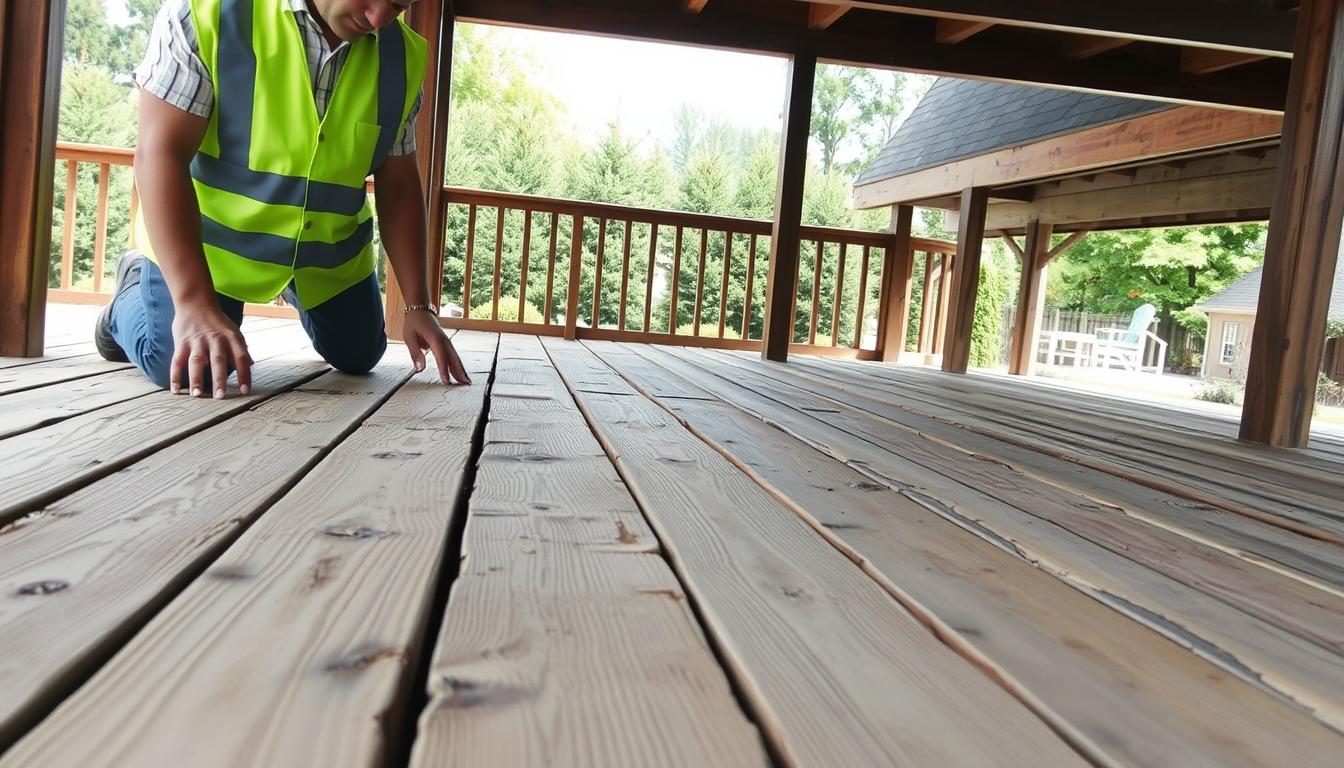
Floor systems require attention during interior demolition because removing finishes, fixtures, or built in elements sometimes affects floor structure. Older homes with wood subfloors might have weakened framing that becomes apparent once flooring is removed. Concrete slabs might have plumbing or electrical embedded in them that demolition must work around. Understanding what lies beneath surfaces before breaking into floors prevents the utility strikes and structural damage that careless demolition creates.
Environmental and Safety Considerations Inside Buildings
Interior demolition generates dust, debris, and potential exposure to materials that require careful handling. Older buildings throughout San Antonio likely contain asbestos in various forms including floor tiles, acoustic ceiling tiles, and insulation materials. Lead paint is essentially guaranteed in homes built before 1978. These materials don’t create hazards when left undisturbed and intact, but interior demolition obviously disturbs materials and potentially creates exposure risks.
Professional contractors address environmental concerns through appropriate testing, abatement when necessary, and work practices that minimize exposure even when formal abatement isn’t required. They understand that regulations governing these materials exist to protect workers and building occupants, and they follow requirements rather than cutting corners to save time or money. This environmental competence protects property owners from liability and demonstrates contractor professionalism.
Fire safety during interior demolition requires attention because work creates conditions where fire risks increase. Cutting operations generate sparks, debris piles provide fuel, and demolition sometimes exposes building materials or creates ventilation patterns that affect fire spread. Contractors should maintain fire extinguishers on site, avoid creating fire hazards through careless material handling, and understand evacuation routes from buildings where they’re working.
Worker safety protocols protect demolition crews from the hazards inherent in their work. Dust masks or respirators prevent inhalation of particles. Eye protection guards against debris. Hearing protection reduces noise exposure. Hard hats protect from falling objects. Safety standards aren’t bureaucratic inconvenience. They’re the minimum precautions necessary for work that involves genuine risks including structural collapse, utility contact, and exposure to hazardous materials.
Why Sat X Demo Excels at San Antonio Interior Work
When property owners search for interior demolition near me in San Antonio and evaluate their options, certain qualities separate contractors who truly excel at this specialized work from those who simply offer it as one service among many. Sat X Demo has built their reputation specifically on the careful, professional interior demolition that San Antonio’s residential and commercial renovations demand. Their crews understand the difference between demolition that supports successful renovations and demolition that creates problems requiring expensive fixes before construction can proceed.
Their experience working in occupied buildings means they arrive prepared with dust containment systems, noise management strategies, and coordination approaches that minimize disruption to people living or working nearby. They’ve navigated the access constraints of San Antonio’s older neighborhoods enough times that they recognize challenges during initial site visits and plan appropriate solutions before work begins. Their relationships with local engineers, environmental consultants, and other professionals ensure that when demolition uncovers conditions requiring specialized input, they have resources to address issues quickly without project stopping delays.
The attention they bring to protecting existing building systems and structures reflects understanding that interior demolition happens within larger contexts where damage beyond work areas creates costs and complications that no one wants. Their commitment to environmental compliance and worker safety demonstrates professionalism that property owners can trust. These qualities make Sat X Demo the reliable choice for interior demolition projects where precision, professionalism, and protection of surrounding areas matter as much as getting demolition work completed.
Making Smart Decisions About Interior Demolition Partners
Interior demolition requires skills, experience, and judgment that not all contractors possess. The physical work of removing walls and floors represents only part of what’s needed. The planning, problem solving, coordination, and attention to detail that professional interior demolition demands separate reliable contractors from those who create more problems than they solve. When you’re investing in renovations that will improve how you live or how your business operates, choosing demolition contractors who bring these complete capabilities protects that investment and sets up renovation success.
San Antonio property owners benefit from working with contractors who understand local buildings, have experience with the specific challenges interior work presents, and demonstrate the professionalism that occupied renovations require. Taking time to find contractors with these qualities leads to renovation projects that proceed smoothly with demolition that truly prepares spaces for the improvements you envision.