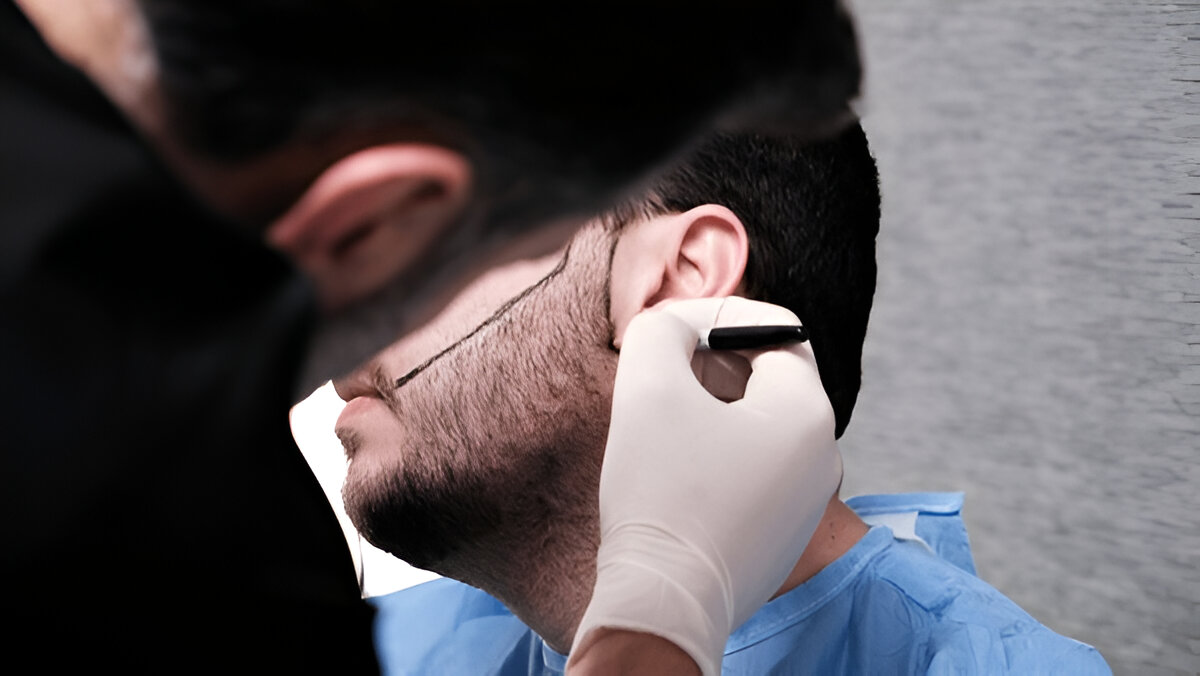
Hair loss can occur for many reasons, but one of the most common and often overlooked causes is stress. Many people in the UK, especially those in high-pressure environments, experience hair thinning or shedding due to the toll stress takes on the body. The good news is that a London hair transplant may still be an option for individuals dealing with stress-induced hair loss. However, before deciding to undergo the procedure, it’s essential to understand how stress affects hair and whether a transplant is the right solution for you.
Understanding Stress-Induced Hair Loss
Stress can impact the body in various ways, including hair loss. The condition, known as telogen effluvium, occurs when significant stress causes hair follicles to enter a resting phase prematurely. During this phase, hair shedding accelerates, leading to noticeable thinning. While this form of hair loss can be alarming, it’s important to remember that it’s often temporary.
In cases of stress-induced hair loss, the hair will typically begin to grow back once the stress is managed or reduced. However, the recovery process can take several months, and the extent of hair regrowth varies from person to person.
Can You Have a Hair Transplant for Stress-Induced Hair Loss?
The short answer is yes, you can undergo a hair transplant London after experiencing hair loss due to stress. However, it’s essential to keep a few key factors in mind. Since telogen effluvium is often temporary, your hair may naturally start to regrow after a period of rest and stress management.
For this reason, many hair transplant professionals recommend waiting for a while before considering a transplant, especially if the hair loss is due to stress. This allows enough time for the hair to potentially recover on its own, without the need for surgical intervention. If after a few months the hair loss continues or worsens, it might be time to explore a hair transplant as a more permanent solution.
When Is a Hair Transplant a Good Option?
If you’re dealing with long-term or severe stress-induced hair loss and your hair hasn’t shown signs of recovery, a London hair transplant could be an effective solution. A transplant can restore the hairline and thickness, giving you back a natural-looking, fuller head of hair. However, before proceeding with any procedure, a thorough consultation with a skilled hair restoration expert is crucial. They will assess whether your hair loss is indeed stress-related or if other underlying conditions are contributing to it.
It’s also worth noting that hair transplants are most effective when the hair loss has stabilised. If stress is still ongoing or unresolved, the transplant may not yield the desired long-term results, as ongoing stress can continue to affect hair growth even after the procedure.
Factors to Consider Before Having a Hair Transplant
- Stress Management:
The key to long-term success after a hair transplant London is addressing the root cause of the hair loss. If stress continues to impact your life, it could lead to further hair shedding down the road. Therefore, it’s important to manage stress levels through lifestyle changes, therapy, or other methods before opting for a transplant. - The Stage of Hair Loss:
Another critical factor to consider is the stage of hair loss. If your stress-induced hair loss is in its early stages, it may still recover naturally over time. However, if the hair loss has persisted for a long period, a transplant might be the most reliable option for restoring hair growth. - Age and Health Status:
Your age and overall health are also factors in determining whether you’re a good candidate for a hair transplant. Younger individuals with healthy hair follicles are typically more suitable for the procedure. A doctor will evaluate your scalp, hair quality, and overall health to ensure that the transplant will be effective. - Expectation Management:
Setting realistic expectations is key to achieving satisfaction with your hair transplant. It’s important to understand that a transplant can restore your hairline and density, but it does not address the ongoing causes of hair loss. Managing stress, improving health, and maintaining a balanced lifestyle are essential for ensuring that your transplanted hair lasts.
The Procedure: What to Expect
A London hair transplant is a relatively straightforward procedure where hair follicles are removed from a donor area, usually the back or sides of the head, and transplanted to areas where hair loss has occurred. There are two main types of hair transplants: FUE (Follicular Unit Extraction) and FUT (Follicular Unit Transplantation). Both methods involve extracting hair follicles and implanting them into thinning or bald areas.
FUE tends to be the more popular method because it is less invasive and leaves minimal scarring. FUT, on the other hand, may involve a strip of scalp being removed, which could leave a more noticeable scar.
After the procedure, you will likely experience some swelling and redness, but recovery time is generally quick, with most individuals returning to regular activities within a few days. New hair growth typically begins to show around three to six months, with full results visible by the 12 to 18-month mark.
Maintaining Results After the Transplant
To ensure the longevity of your hair transplant, it’s essential to follow aftercare instructions carefully. This may involve avoiding direct sunlight, refraining from strenuous activities for a few weeks, and using special shampoos or treatments to support healthy hair growth. Additionally, managing your stress levels post-transplant is critical to ensuring the transplanted hair continues to grow and thrive.
Conclusion
If you’ve experienced hair loss due to stress, it’s entirely possible to undergo a hair transplant London once your hair loss has stabilised. While stress-induced hair loss is often temporary, if it persists, a hair transplant can be an excellent option to restore your hairline and confidence. However, before moving forward, it’s essential to manage your stress and consult with an experienced professional who can determine the best course of action for your individual case.