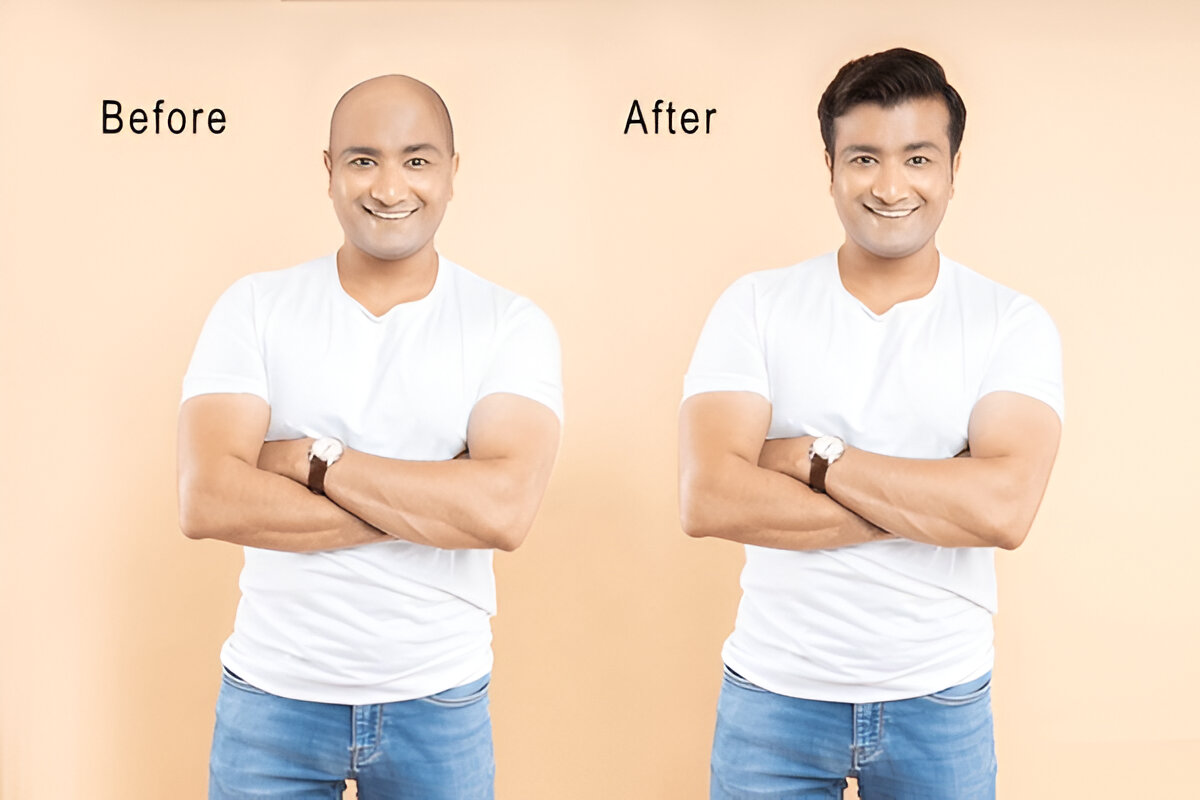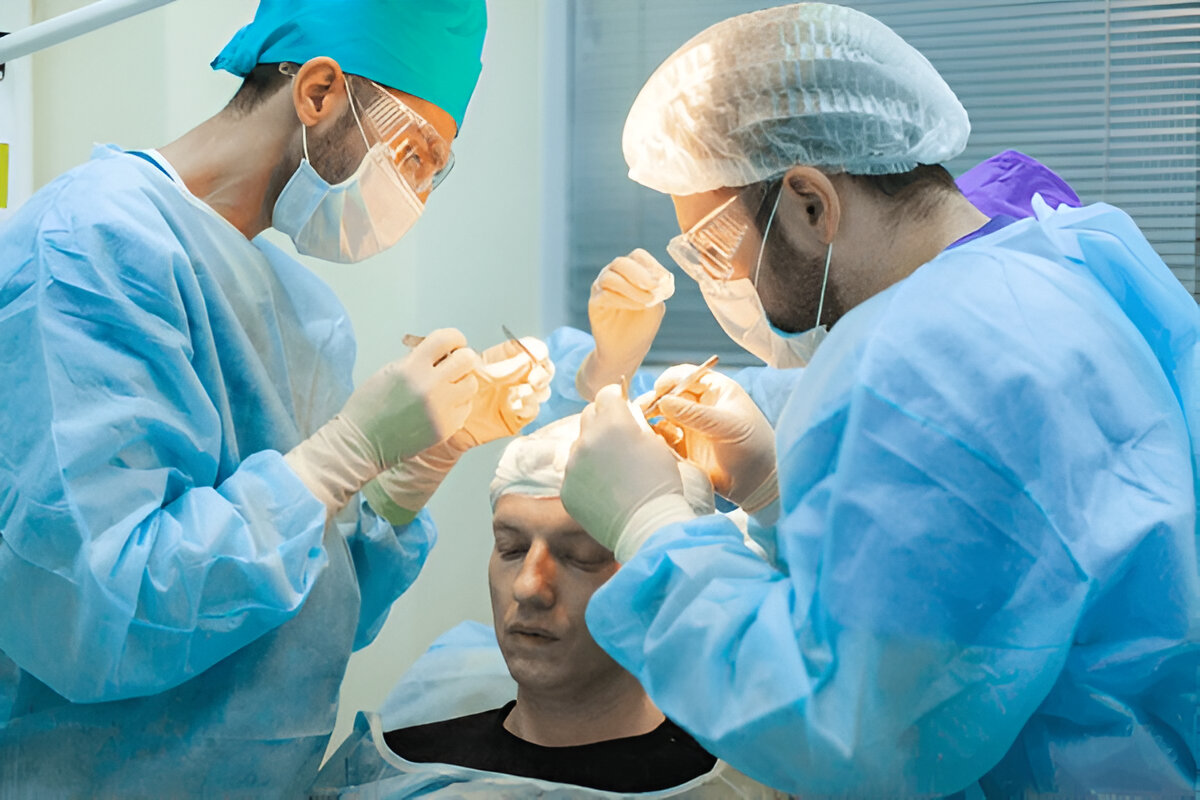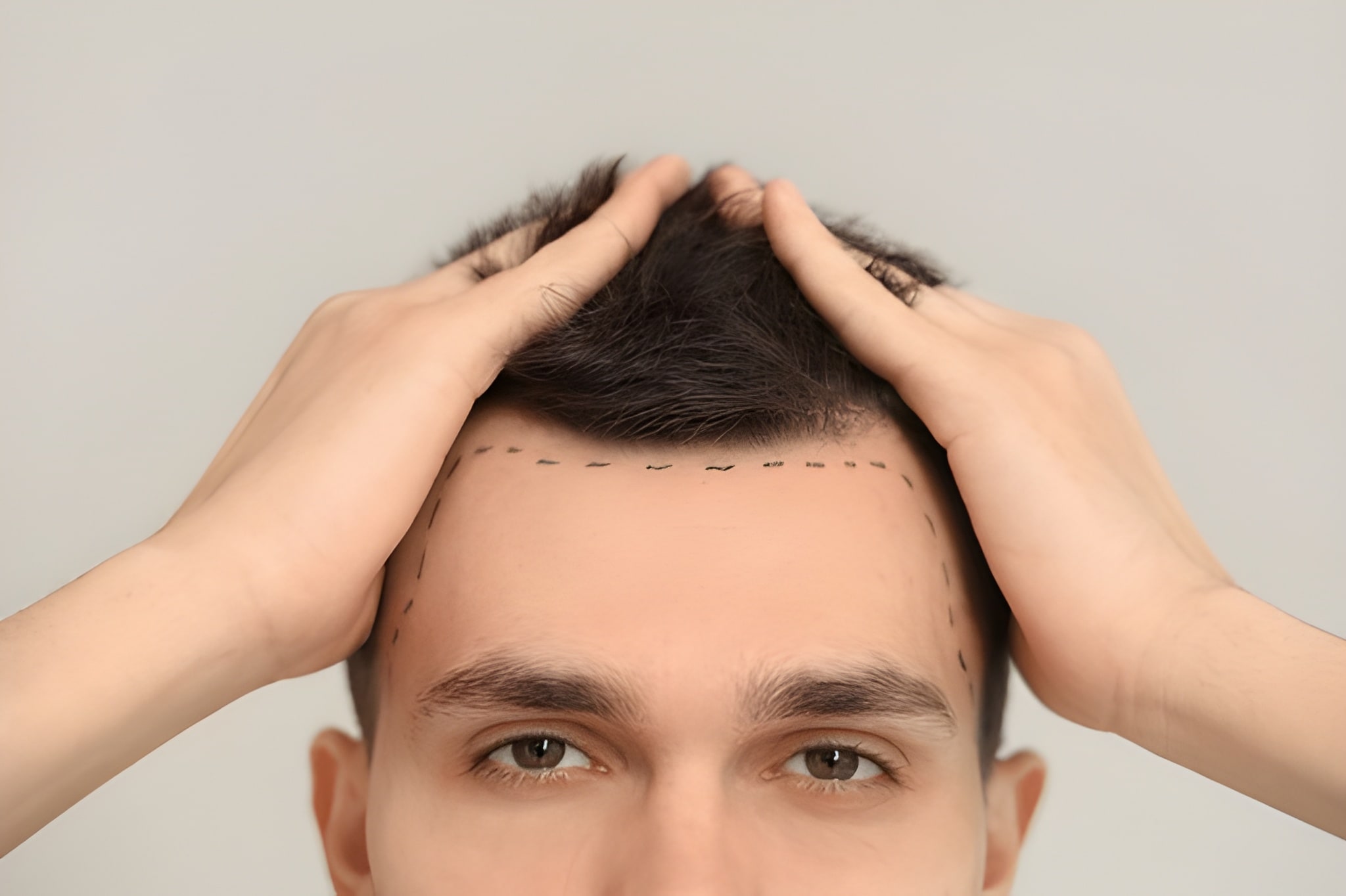
Alopecia, a condition characterized by hair loss, affects millions of people worldwide. If you suffer from this condition, you might wonder whether a London hair transplant is an option for you. Hair transplants are often seen as a solution for male and female pattern baldness, but can they help those with alopecia? In this article, we will explore the relationship between alopecia and hair transplants, and whether the procedure is suitable for those affected by this condition.
What Is Alopecia?
Alopecia refers to hair loss that can occur in several forms. The most common type, alopecia areata, causes hair to fall out in small, round patches, often resulting in noticeable thinning or bald spots. There are also more severe forms, such as alopecia totalis, where all the hair on the scalp falls out, and alopecia universalis, where hair loss extends to the entire body.
Alopecia can be caused by a variety of factors, including autoimmune conditions, genetics, stress, or hormonal imbalances. Since alopecia is not directly linked to the hair follicle’s ability to grow hair, many people suffering from this condition wonder if a hair transplant London can restore their hair.
Can a Hair Transplant Work for Those With Alopecia?
Whether or not you can get a hair transplant if you have alopecia depends on several factors, including the type and extent of the condition, the quality of your donor hair, and your overall scalp health.
1. Type of Alopecia
The type of alopecia you have will influence whether a London hair transplant is a viable option. For example, alopecia areata, which causes patchy hair loss, may not be suitable for a transplant if the hair follicles in the affected areas are dormant or severely damaged. A hair transplant relies on healthy hair follicles to produce new growth, and if these follicles are no longer active, the transplant may not be effective.
However, if the condition has been stable for some time and hair follicles are still active, a transplant may work. Some patients with alopecia areata have seen success with hair transplants, particularly if the hair loss has stopped and the affected areas have begun to regrow hair naturally.
In contrast, more severe forms of alopecia, such as alopecia totalis or alopecia universalis, may not be suitable for a hair transplant. In these cases, the hair follicles are typically inactive or nonexistent, meaning that there is no viable donor hair available for transplanting.
2. Donor Hair Quality
One of the most critical factors in determining whether a hair transplant London is possible is the quality and availability of donor hair. The success of a transplant depends on having healthy hair follicles to move from the donor area (usually the back or sides of the head) to the thinning or bald areas.
If you have alopecia but still have healthy hair in the donor region, a transplant may be feasible. However, if your donor hair is also affected by the condition, you may not have enough viable hair follicles to perform the transplant. In cases where the donor hair is limited, the transplant may not achieve the desired results.
3. Scalp Health
Your overall scalp health is another important consideration. If your scalp is in good condition, with healthy hair follicles that can support hair growth, a transplant may work. However, if your scalp is inflamed or scarred due to severe alopecia, the procedure may not be as successful. Scarring can prevent new hair from growing properly, making the transplant less effective.
Before undergoing a London hair transplant, it’s important to have a thorough consultation with a surgeon to evaluate the health of your scalp and the potential for successful hair growth after the procedure.
Other Treatment Options for Alopecia
While a hair transplant London may be a good option for some individuals with alopecia, it’s not always the best or only solution. There are several other treatments available that can help manage hair loss or stimulate hair growth.
1. Topical Treatments
For people with alopecia areata, topical treatments like Minoxidil (Rogaine) can be effective in stimulating hair growth. Minoxidil is applied directly to the scalp and has been shown to encourage hair regrowth in some individuals. However, the results vary, and it may not be effective for everyone.
2. Oral Medications
In some cases, doctors may prescribe oral medications like corticosteroids to help manage alopecia. These medications work by suppressing the immune system, which may prevent hair loss. However, they can have side effects and are typically used for short-term management rather than long-term hair restoration.
3. Platelet-Rich Plasma (PRP) Therapy
PRP therapy involves drawing a small amount of your blood, processing it to concentrate the platelets, and then injecting it into the scalp. The growth factors in the platelets are believed to stimulate dormant hair follicles and promote hair growth. This treatment can be beneficial for some individuals with alopecia, particularly if their hair follicles are still active.
4. Wigs and Hairpieces
For those who are not candidates for a hair transplant London or other treatments, wigs and hairpieces can be an excellent option for restoring the appearance of a full head of hair. These non-invasive solutions can help individuals feel more confident while they explore other hair restoration options.
When Should You Consider a Hair Transplant for Alopecia?
If you have alopecia and are considering a London hair transplant, it’s important to consult with a specialist who understands the nuances of this condition. Hair transplants can be a viable option for those with stable alopecia, where hair follicles are still healthy and active in the donor area. However, for those with more severe forms of alopecia or those with limited donor hair, alternative treatments may be more suitable.
If you’ve been experiencing hair loss for an extended period, have not responded to other treatments, and have healthy donor hair, a transplant may offer the best results. However, always seek professional advice to ensure that you’re making the right choice for your specific situation.
Conclusion
A London hair transplant can be a viable solution for some people with alopecia, particularly those with stable, localized hair loss and healthy donor hair. However, it’s essential to assess the type and extent of your alopecia, the health of your scalp, and the availability of donor hair before deciding on this treatment. Consulting with a qualified specialist will help you determine whether a transplant is the right choice or if other treatment options may be more effective for your specific needs.